Re: Half

I pondered the ‘Glass half full/half empty’ idiom as I woke yesterday. I usually awake feeling optimistic and this day was no exception. I scanned my memory for all the things that fill my spirit. My thoughts warmed my heart. And ‘warmed’ was key here: The situation was neither hot nor cold. My feeling was neither elation nor dreary. I concluded that I like my proverbial glass always at the halfway mark. Most of the time, I find satisfaction living without the stress of extremes.

Come to think of it, when I’m in my car, if the gas tank needle indicates HALF, I’m good with that too. Running on empty is stressful and being full-up means the vehicle is carrying more weight than it needs to carry. Besides I’m never more than half a world away from the important people or places in my life. In my memory I recall my mom advising me before going on a teenage adventure in my used Volkswagen Beetle, “Don’t go off half-cocked” which made me shudder over the sexual implications. I didn’t help if she added as I was backing out of the driveway, “And what ever you do, don’t do it half-assed.”

Contrarily, half of an idea can suggest a conflict. I could be jealous of someone and have the thought, “I’m not half the man he is.” Or I can have a debate in my head over what I might say, thinking, “I’ve got half a mind to tell her she’s wrong.” The halfway point of anything is betwixt and between, and that can be confusing. When my sons were smaller treats were portioned so that each of us felt satisfied with their share. To avoid squabbles, the son showing the greatest desire was given the job of cutting the cake/pie/chocolate bar into equal pieces. It became a math lesson of fractions requiring a good eye and a steady hand on the knife. When something is split in half, we say it’s been halved. I find the verb form hard to pronounce since I want to put too much emphasis on the letter L. Try saying, “You may have a half portion but you must have halved the cookie accurately.” This could be a fun kid’s party phrase in the manner of the tongue twister, ‘She sells sea shells…’

My 96 year old special mom is hard of sight so she appreciates being handed a cup half full of her favourite coffee. Less spillage that way. I’m learning about other things related to eldercare as I tend to her needs. She’s not shy about sharing her preferences; Half and half cream is best in her hot chocolate for example. Perhaps more than me, she enjoys routine because it helps her ‘keep on top of things’. But I can relate to her desire to avoid the hills and valleys that can occur unexpectedly. Keeping things half-way there, means you can still look back when you want, while keeping an eye on what might be just up ahead.
Re: Elder

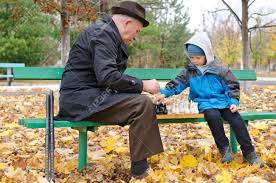
My wife and I are in the midst of eldercare. Her mother is nearing 95 and needs attention. She is partially blind (can’t read print or signs, sees shadows and outlines). We are working with community services to build her a life worth preserving while sheltering her in our own home. We are not noble, just practical. We want what we think is best for her. We feel she has deserved a respectful conclusion after a life of care to others.

I placed my own elderly mother in a nursing care facility almost a decade ago. My sister and I concluded that we couldn’t meet her special needs. She was an elder who was difficult to serve. Of the three locations where she received government old age long term care, the last publicly funded centre was up to the task. She had five good years in a former hospital in British Columbia before she died of natural causes. After her death I was shocked to discover that a Nursing Home in Pickering, where she had previously been in residence, was discovered to have the most Covid deaths within Ontario.

Many cultures honour their seniors. The culture of caring for elders seems like a distant tradition for white folk. We tend to stick them somewhere and invite them over for holidays; but only if they promise to behave. Wealthy elders can afford nursing care in higher end Retirement Homes. Many may be supported, like my mother was, within a patchy arrangement of government funding. Often these old folks homes are dependent on staffing. The inequities between standards of eldercare surfaced with the recent pandemic. In Canada we have a federal Minister of State for Seniors but the office appears to have minimal influence.

Elders are people first so they can be cranky or angelic in spurts. I’ve known many people older than me, whom I have loved to think of as my friends. I’m growing old now too and can better appreciate the toll longevity can take on a person’s physical and emotional well being. I don’t like to feel pushed into believing that 70 is the new 50. That puts pressure on me to live up to a standard. Like most spirited elders I feel 17 and always will enjoy sensing that I am young at heart. I’m not turning into a fossil or becoming an old fogey in attitude. On my best days, I’d like to believe that I am eldering: growing old with grace.

My wife’s mother appears happy to be in our company. She jokes how it is better than being turned out to pasture or left to float away on an ice floe. Our village on Vancouver Island has a community centre for the elderly called ‘New Horizons’. I like the encouraging sound of that, since I rebel at the thought I might be at the end of things. We old folk continue to need opportunities for stimulation, restoration, even growth. I’ve a lot to learn & my special mom has a lot of wisdom still to give.

Re: Moral

A society’s culture is rooted in morals. What we think is proper etiquette or acceptable behaviour is a guide for how we spend our time as citizens. Over a lifetime, some things that may have been considered immoral are found to be, by consensus, quite acceptable. Governments are elected on the basis of these perceived morals. When I vote I mark the ballot thinking, “This is the way I wish my culture to be.” That vote comes with trust that the politician will live up to the platform that was presented. I look for leaders who exhibit moral behaviour. I’m wary of crafty candidates who can sound like a moralist, spouting the short-comings of his/her opponent, then once in office backtrack on some of those do-rights.

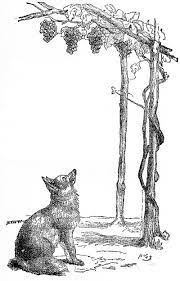
I grew up enjoying Aesop’s Fables. Usually these tales told of animals or humans learning or teaching lessons of life by their actions or misadventures. My memory of these stories is like a warming blanket. I hear patient voices describing the scenes and questioning me about the outcome. Sometimes I recall being asked if I could guess the moral of the story. The fable that has been most influential for me is what I call the ‘sour grapes’ story. It quickly comes to mind when I have a desire, like the fox, that cannot be fulfilled.

Speaking of stories: ‘Where the Crawdads Sing’ has a female protagonist who grows up in a marsh. She is a natural part of the marsh, as though the biome was her mother. In the story a death occurs. Murder is suspected. One of my moral principles is that murder is wrong, yet in nature we see examples of it all the time. This beautifully written novel compelled me to examine this particular aspect of morality. I found myself wondering about the difference between immorality and amorality. Does a soldier have to suspend his/her morality when they go to war? Is war itself an immoral act of desperation to protect one’s home or culture? Is a suicide bomber or kamikaze pilot justified if it’s for a moral cause?

Talking about or teaching morals is not exclusive to educators, elders or religious folk. Most of us shy away from sounding preachy when in public. Sometimes the Letters to the Editor section of magazines and newspapers reveal moralists who are primarily making themselves feel virtuous by calling out others for impropriety. Michelle Obama, referring to the slanderous nature of political rhetoric, famously said, “When they go low, we go high.”

A strange burst of behaviour was noted recently in some countries near the Red Sea. Adults there were choosing to drink beverages out of baby bottles, perhaps seeking comfort in unsettling Covid times.  Authorities throughout the region quickly used vague laws to stamp out what they referred to as public immorality and indecency. It was said that these practises “violate Bahraini customs and traditions.” Cultures are dependant, it would seem, on the principle that what is acceptable for one, must be considered moral for all.