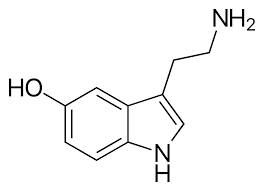
It’s true that a human body is composed of chemicals. Depending on who you ask or what process is used to extract them, our physical elements could be valued at anywhere from $100 to $150,000 dollars. Perhaps we are not far from giving our consent to harvest these resources as part of our estate for distribution to our beneficiaries: A step up from our current ability to will our body parts, so to speak.
I adjust my body chemistry all the time. When I eat or drink I change my chemistry. I’m baffled that after I start eating something I cough, or sneeze and have to blow my nose. It’s so irritating! I’ve been told that this surge of mucus is the result of my body reacting to the input. I picture it as similar to a transplanted organ being prone to rejection: My body says no to that foreign stuff coming down through my gullet! My allergy, to any food it seems, is an example of how whatever passes into me changes my chemistry. My initial response passes quickly, so I’ve gotten used to it. It does make me reflect on the phrase, “We are what we eat.”
We are also what we feel. Our emotional being is evident when we are exposed to other humans. I enjoy feeling a chemical attraction to another. We are all aware of evaluating a relationship based on whether or not it exhibits ‘Chemistry’. A rom-com movie review may depend on two lead actors displaying chemistry at least in their love scenes, if not when they first meet in the grocery aisle. In real life I contend that this initial spark can be maintained as long as the ingredients of curiosity, compassion, respect, and play are regularly added to fuel the fire of love. In that sense the US of a relationship is a chemical compound made of YOU and ME.
A slogan for homes built in the late 1960’s was ‘Live Better Electrically’. I think we can live better chemically by acknowledging the role that chemical elements play in our existence. We get to know ourselves through our relationships, our upbringing, and our choices. Our experience defines us in ways both unique and complementary to the rest of society.
When I’ve got pain, I take an analgesic. Some people choose to use cannabis to affect their chemistry. Others may find other ways to reduce their annoyance with all manner of disturbances. I’ve known many people who can’t start their day without a cup of coffee. The point here is that we all ingest substances to help us travel the road of life. I refuse to be hypocritical by showing anger towards street-drug users because we all use chemicals to cope. I’m currently taking a low dose of escitalopram for general anxiety. I support decriminalizing drug use. Safety of intake of risky chemicals can be controlled more effectively by education and distribution through health care services.
Medication is not a crutch: It can be an aid to a healthy lifestyle.

 Catch My Drift?