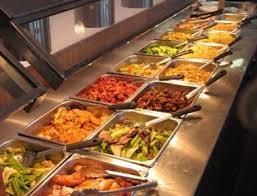
My niece as a young girl loved to have a choose meal: a buffet of food items laid out by her mother for grazing. That little girl could not be still in her chair when other members of the family gathered to dine. That come and go arrangement used to irk her grandad, whom she called Popop (coincidentally a name that unintentionally yet neatly labelled her behaviour of popping up and down).
For a while there was a popular series of children’s books styled as Choose Your Own Adventure. The construction of the pages allowed the reader to decide, at the bottom of the page or end of a chapter, which page to turn to, for the narrative to continue. Sometimes your choice would lead to a quick ending, or a multiple series of back and forth page flips before the action was resolved. Reminiscent of game shows on television that ask if you might choose between door number one etc.
I watched a riveting two person play recently, called Armstrong’s War. A young wheelchair-riding girl guide chooses to read to a youngish army veteran to gain her Service merit badge. In the narrative we learn that circumstances beyond both characters’ control required choices of life-changing proportions. Playwright Colleen Murphy’s script examines how complicated it can be to select a course of action. It’s an anti-war tale without cliché and a strong message about how our society could make better choices. With the current rise globally of authoritarian governments, I watched this play unfold amid a background thought of the meaning of democracy. I wondered how much choice we really have in this context.
We think we are choosing all the time; what to eat, who to partner with, how to fill our days, what to watch on TV, or when to walk in the park. Choosing feels like an active pursuit, we know in our minds that we always have a choice but choosing means we have to go from the abstract to the real. Sometimes choice feels like a burden, an obligation even. Other times we get riled if our choices are restricted because we equate choosing with freedom. We can choose from a menu board that’s presented (as in a slate of candidates) or the menu board that we have built in our minds to cope with everyday decision making (when to do the laundry). I confess that as my age increases I try to purposefully reduce the options in my brain so that the stress of choice is minimized. However, when outside pressures reduce my personal authority I can rise up tall in human right’s fashion. Currently I join the MAiD debate, proclaiming my right to choose a dignified death.
My niece has grown into a responsible adult, despite her Poppop’s concerns over her eating habits. She’s making great decisions on how to raise her almost three year old. He gets to choose but he minds his mom enough to consider a healthy path. I watch from the comfort of my elder chair and continue to learn.

 Catch My Drift?